

1. Introduction
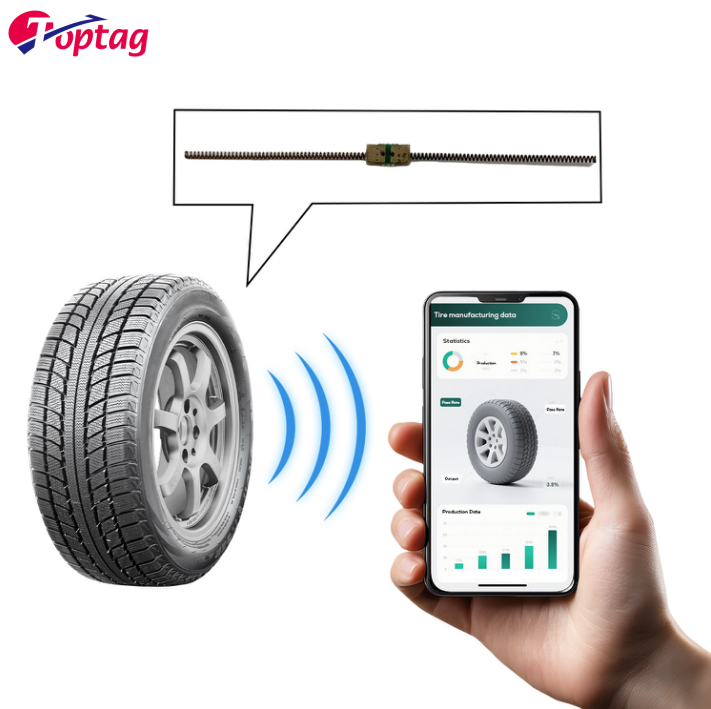
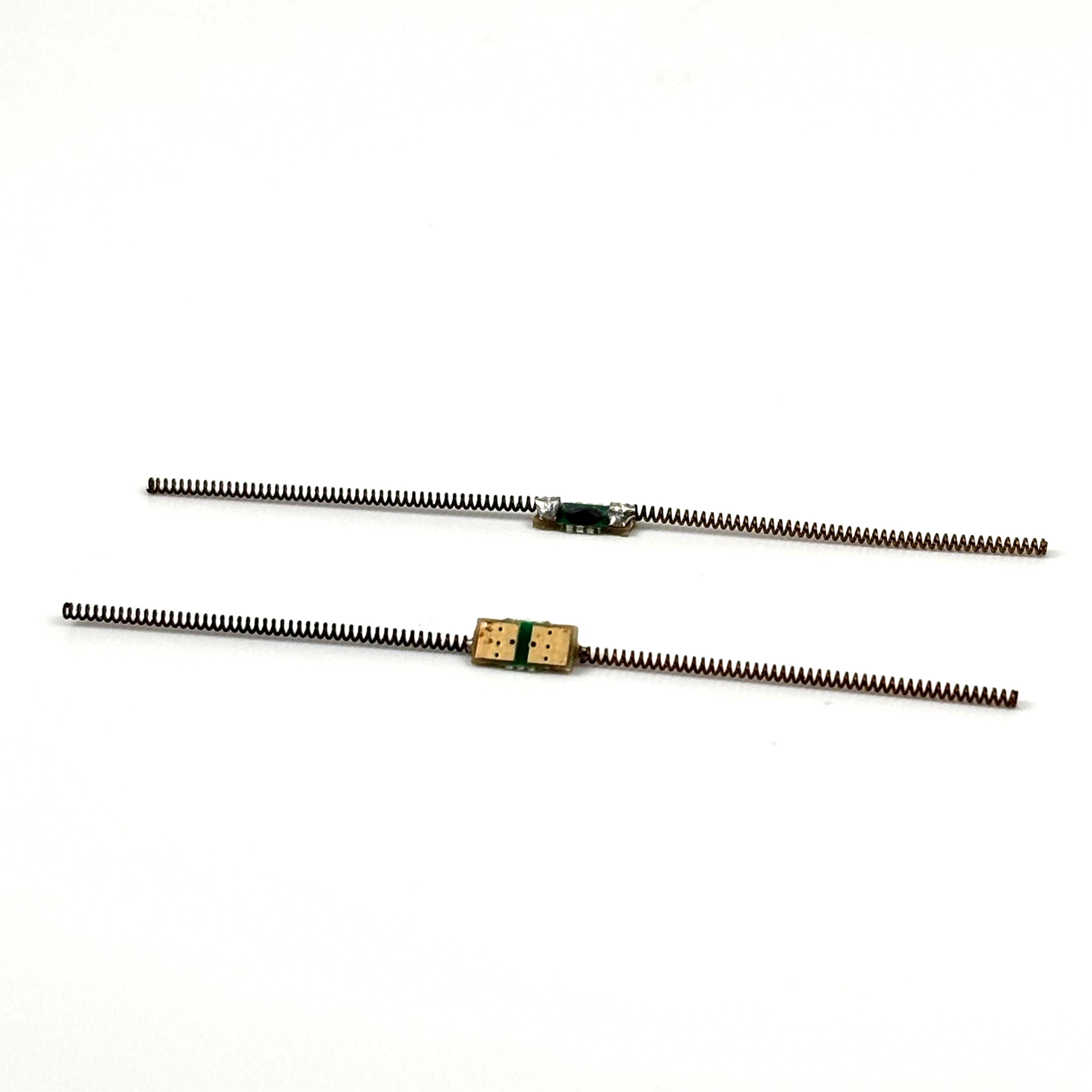
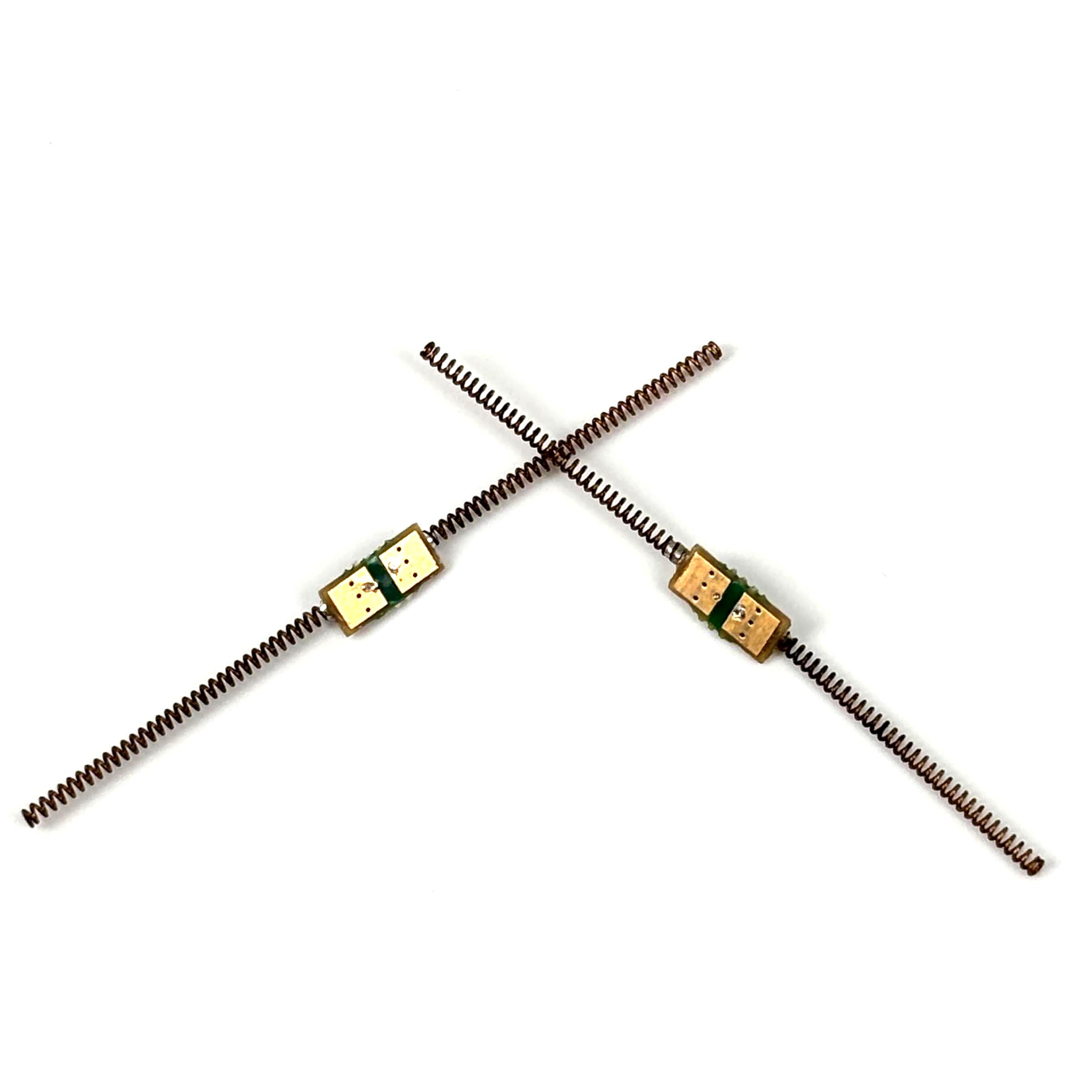
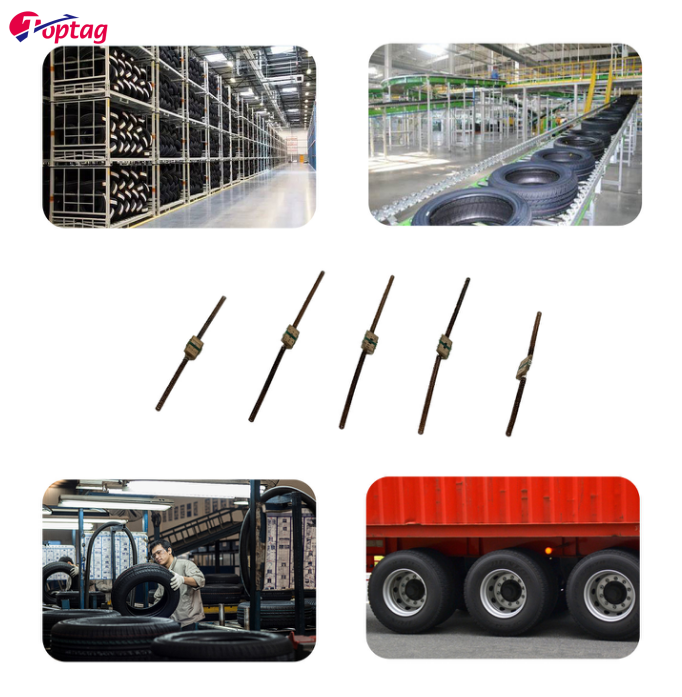
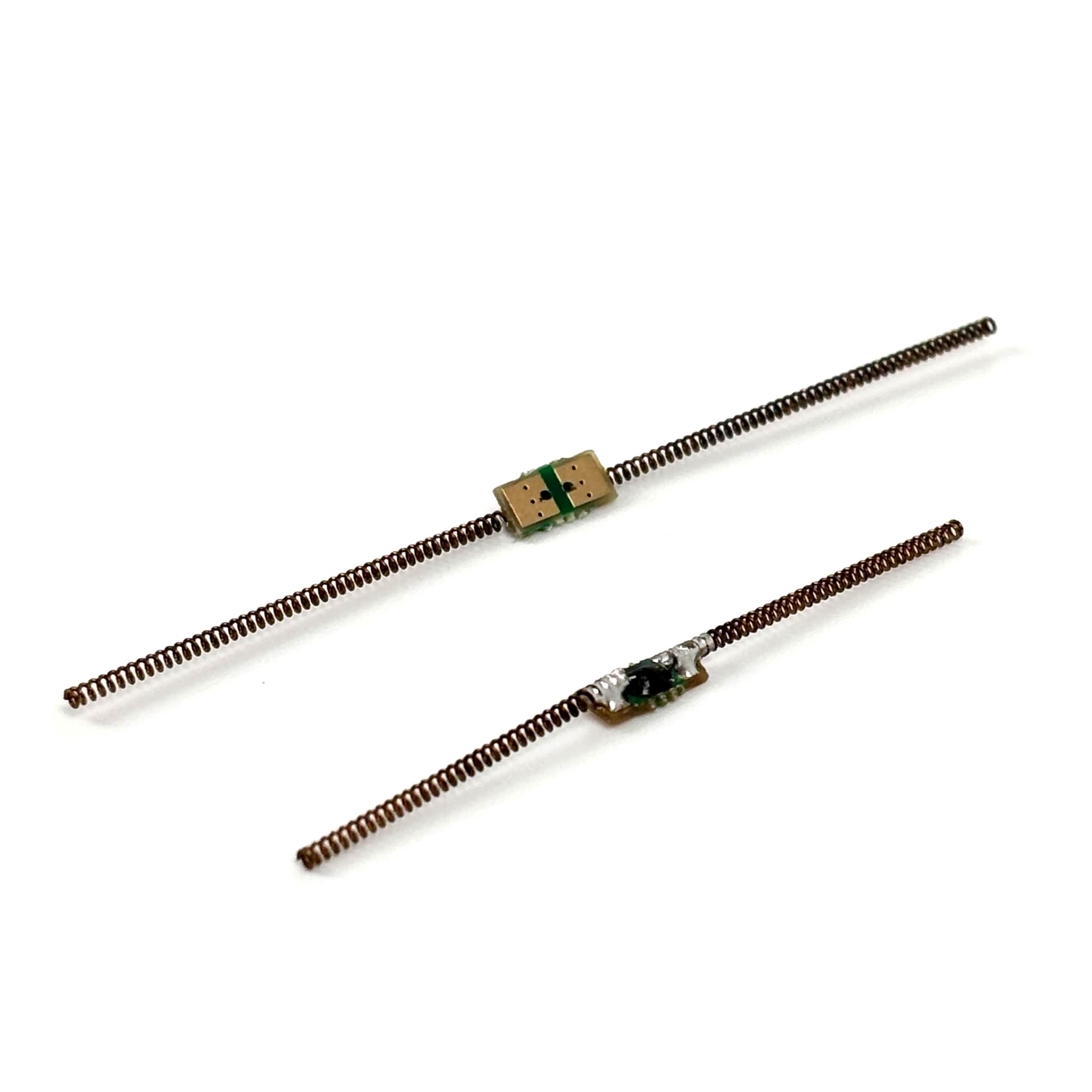
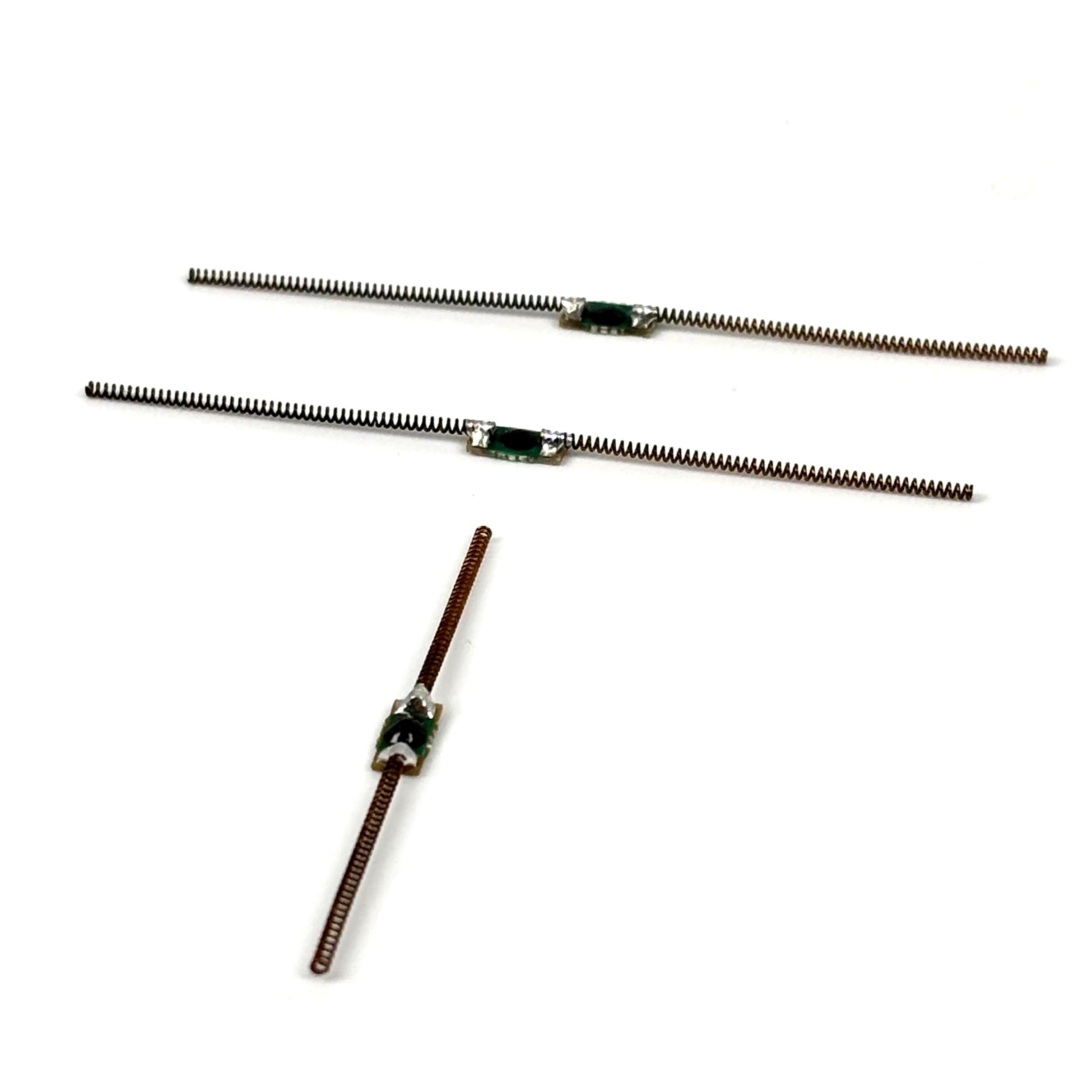
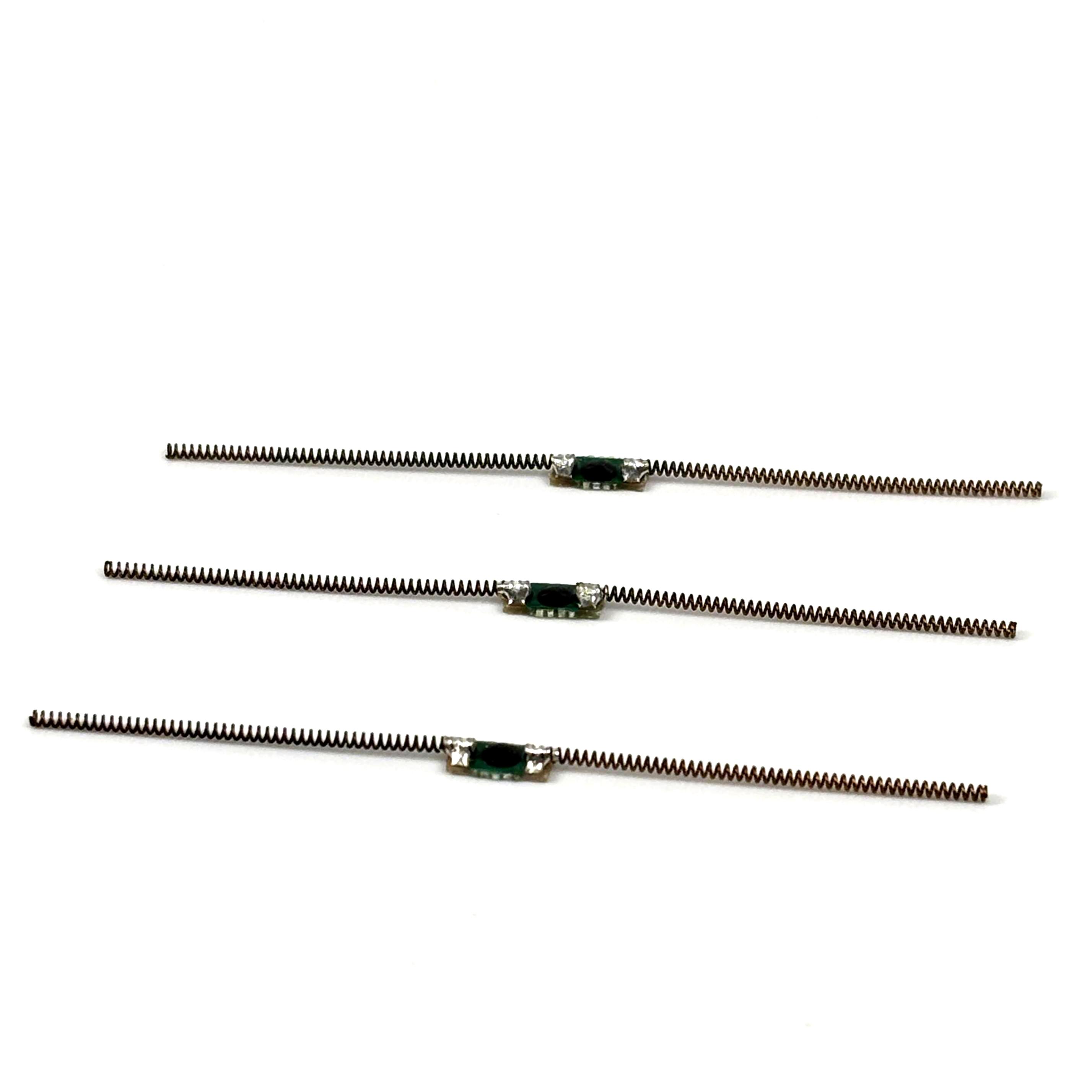
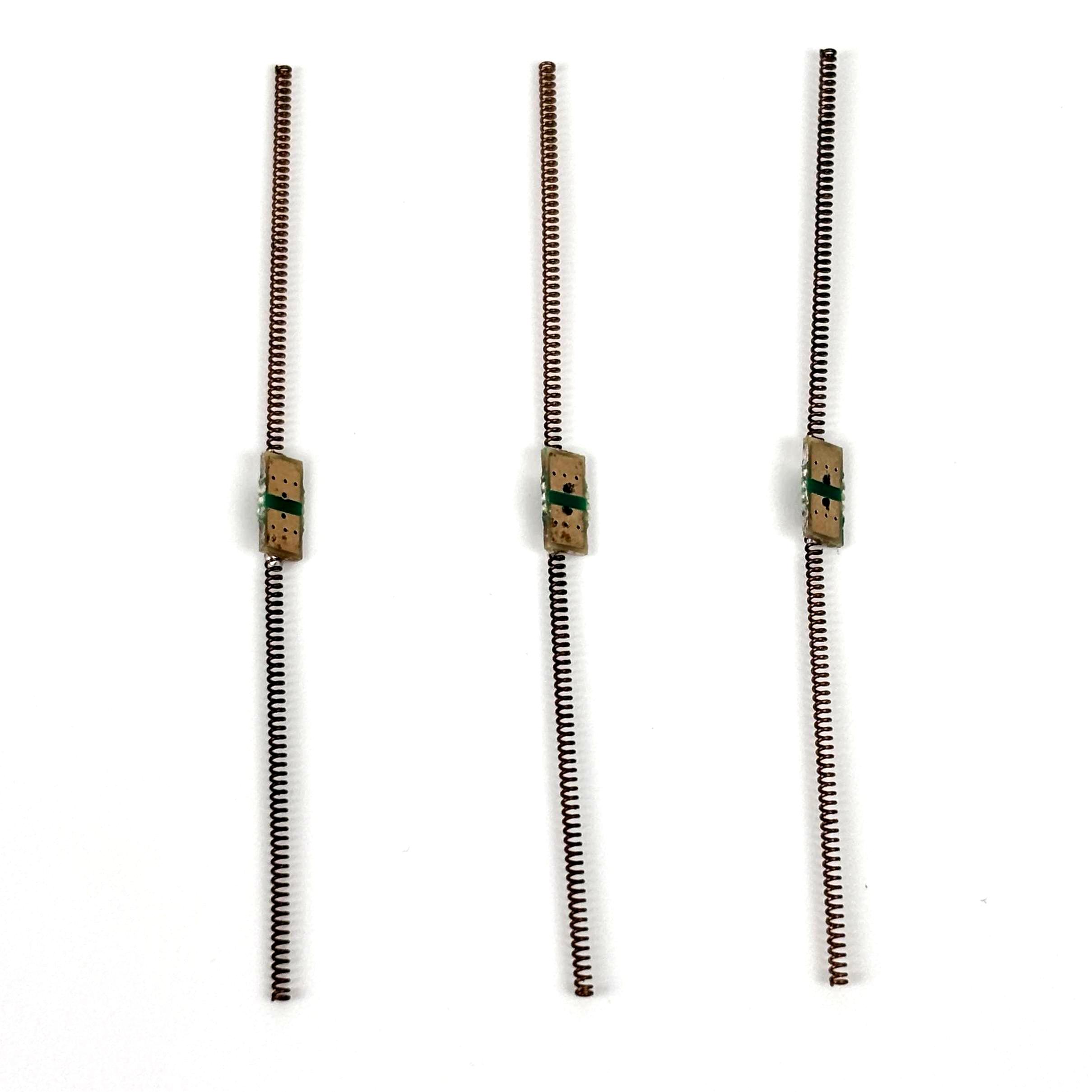
This RFID Metal Tire Tag is developed to be embedded within the tire during the manufacturing process. It will last the lifetime of the tire. With a unique identification number, it can be tracked to prevent theft and cloning. It also can be embedded into other items in the production process, such as trunks, boxes, etc. Its advantages are small size, resistance to at least 200°C, etc.
2. Characteristic

3. Feature
(1). Unique identity identification and management
Each RFID tag stores a globally unique EPC code (Electronic Product Code), which can accurately identify the tire model, production batch, specifications, and other information, enabling full life cycle tracking. Application scenarios: Rapid identification and anti-channeling management in the tire production, warehousing, and sales links.
(2). Inventory and logistics efficiency improvement
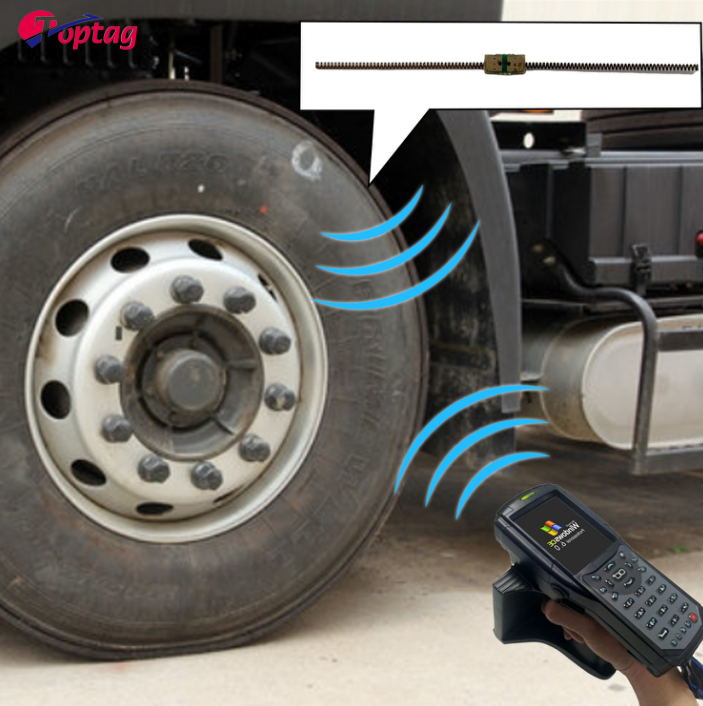
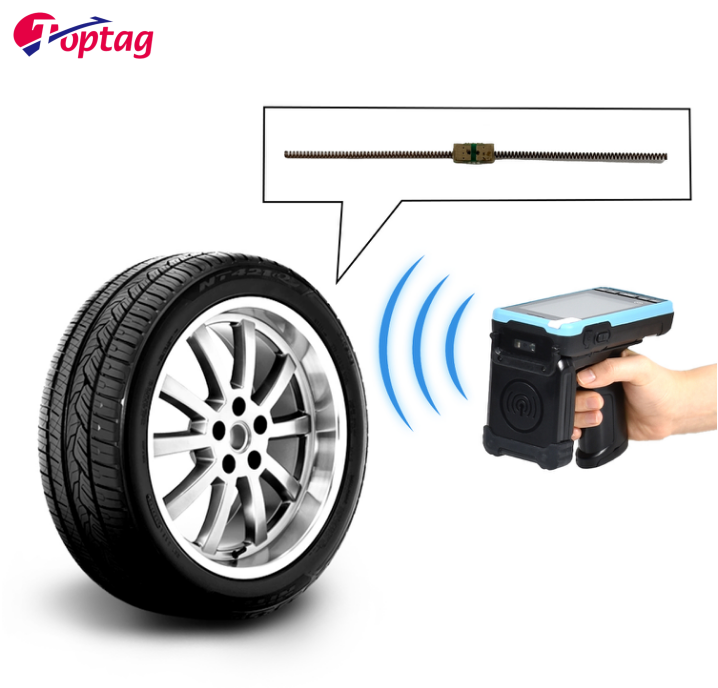
Through handheld or fixed RFID readers, tires can be scanned in batches (without the need for line-of-sight alignment), significantly reducing the time and error rate of manual inventory. Case: The inventory time of thousands of tires in the warehouse is shortened from several hours to a few minutes.
(3). Tire usage status monitoring
Combined with sensors, data such as the driving mileage, tire pressure, temperature, and wear degree of the tire can be recorded to warn of abnormal situations (such as insufficient tire
pressure and uneven wear). Value: It helps the fleet to perform maintenance in advance, reduces the risk of tire blowouts, and extends the tire life by about 15%-30%.
(4). Intelligent maintenance and refurbishment management
When repairing, the historical data of the tire is automatically read to accurately determine whether it can be refurbished, and the number of refurbishments and process parameters are recorded. Industry application: The refurbishment rate of truck and aviation tires is increased, reducing enterprise costs.
(5). Anti-counterfeiting and quality traceability
Encrypted chips are difficult to counterfeit, which can effectively combat counterfeit tires. At the same time, the entire process data of production, testing, and circulation is recorded to achieve
quality traceability. Compliance: It meets the requirements of regulations such as the EU REACH for tire traceability.
(6). Intelligent fleet management.
It is linked with the on-board system to monitor the tire position and usage status in real time, and automatically generate maintenance plans. Data value: Analyze the impact of different road conditions and driving habits on tire wear and optimize the fleet operation strategy.
(7). Automated scene integration
On the tire assembly line, RFID can automatically identify the specifications and trigger the robot for precise installation; in the intelligent warehouse, it realizes automatic sorting.
4. Application
Automotive Manufacturing & Supply Chain Management: Embedded in tires during production, tags record brand, model, batch, and other details for full lifecycle tracking; UHF readers enable rapid bulk scanning to improve warehouse efficiency and prevent errors.
Anti-Counterfeiting & Traceability: Each tag carries a unique ID code, allowing consumers or regulators to verify authenticity via dedicated devices, combating fake products.
Vehicle Maintenance & Safety: Repair shops scan tags to access tire age, wear status, and replacement reminders; integrated with vehicle systems, they monitor pressure/temperature to prevent blowouts.
Racing & Heavy-Duty Equipment Monitoring: Used in high-stress environments like race cars or construction vehicles, tags collect real-time data (rotation speed, temperature) for performance optimization.
Recycling & Sustainable Development: Recycling centers use tags to sort waste tires efficiently, facilitating material reuse and supporting circular economy goals.
Choose RFID Metal Tire Tags to make your tire management more precise, secure, and efficient!