

1. Introduction
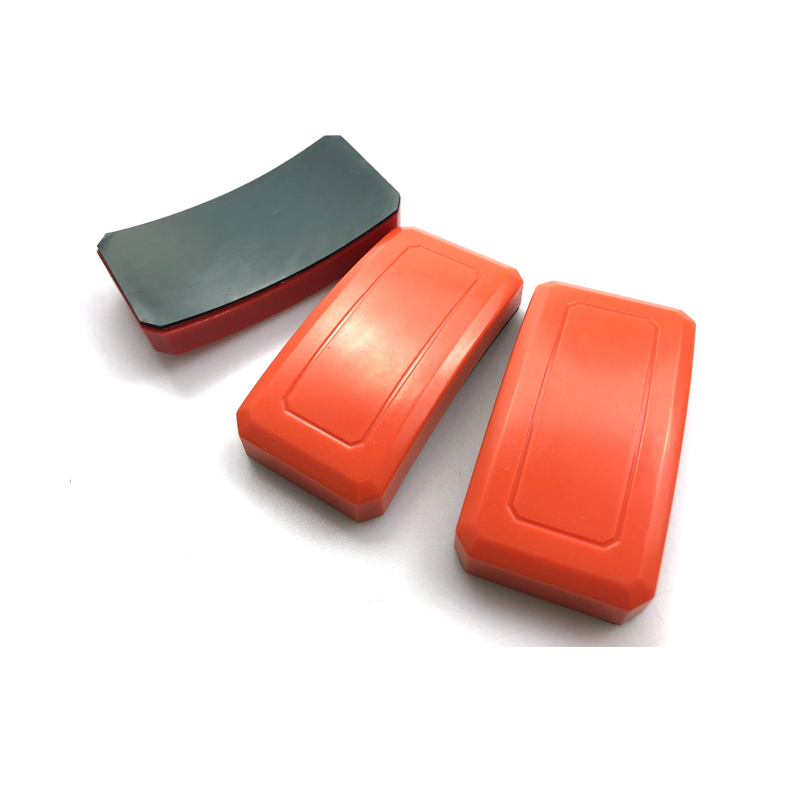
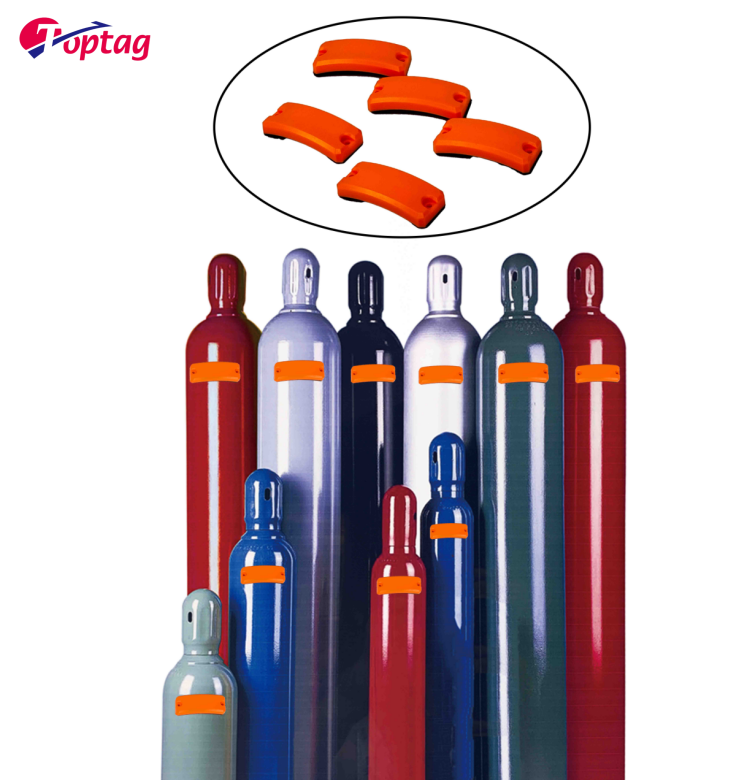
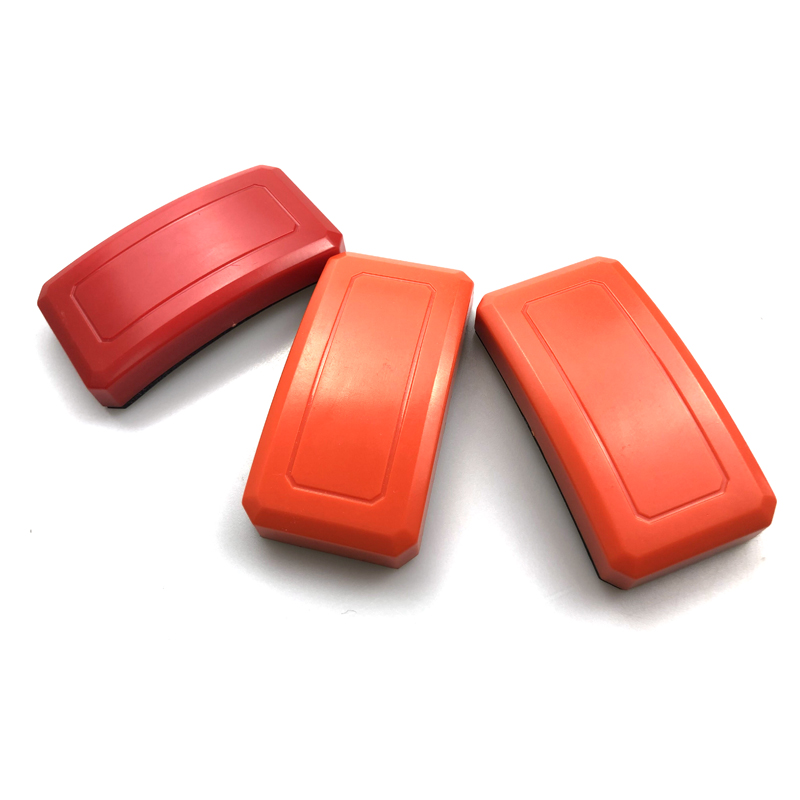
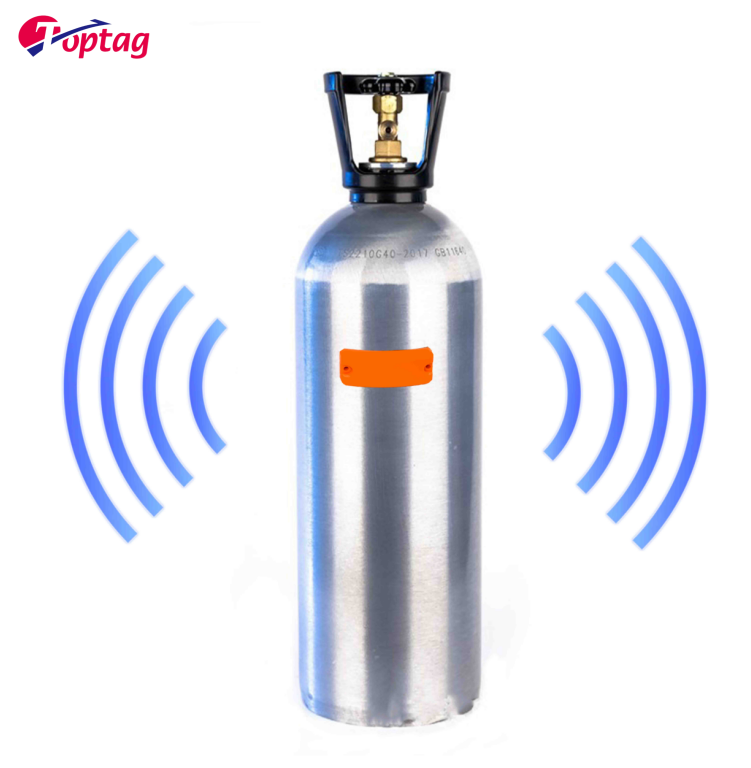
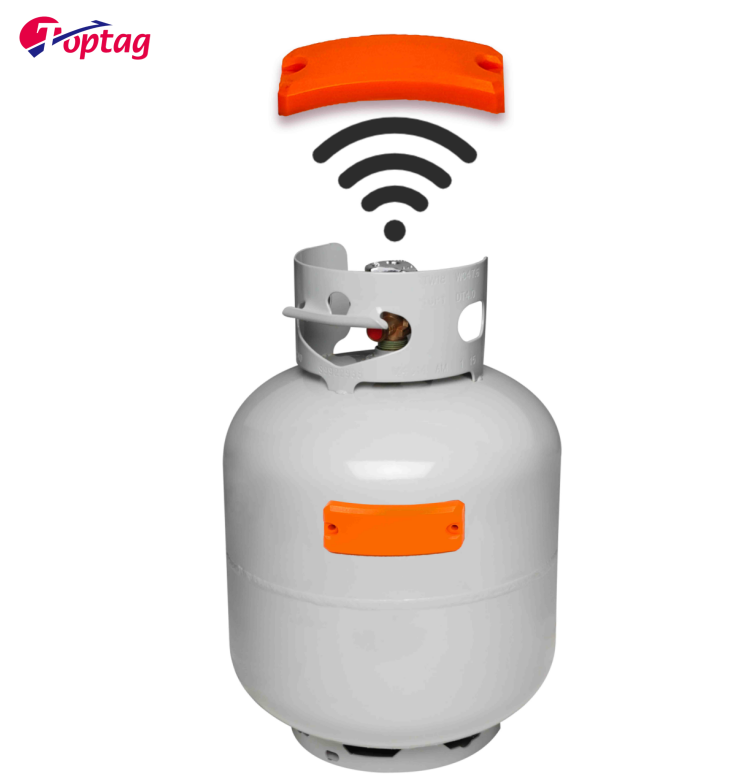
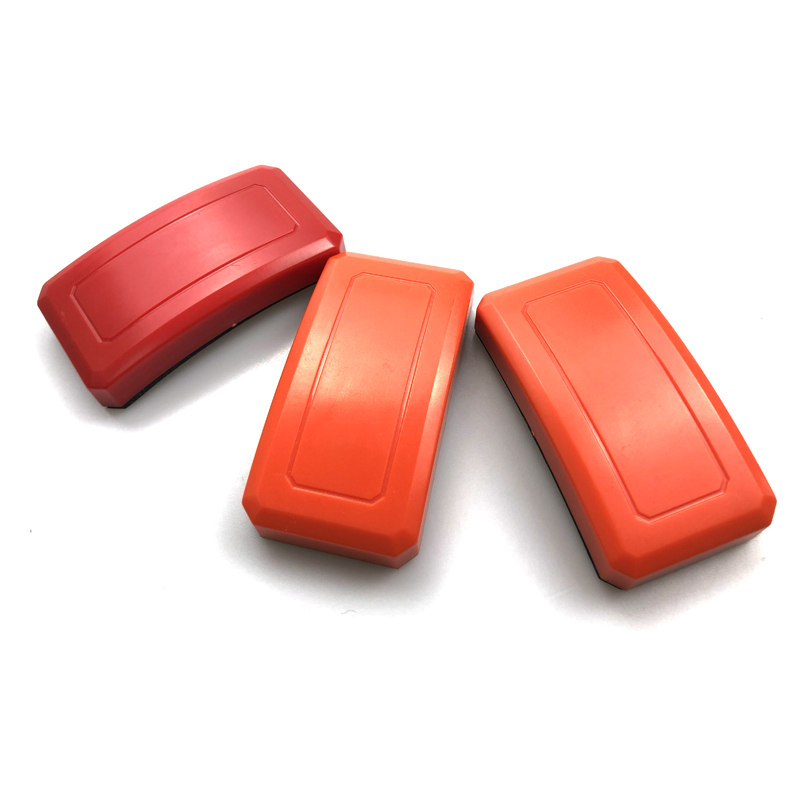
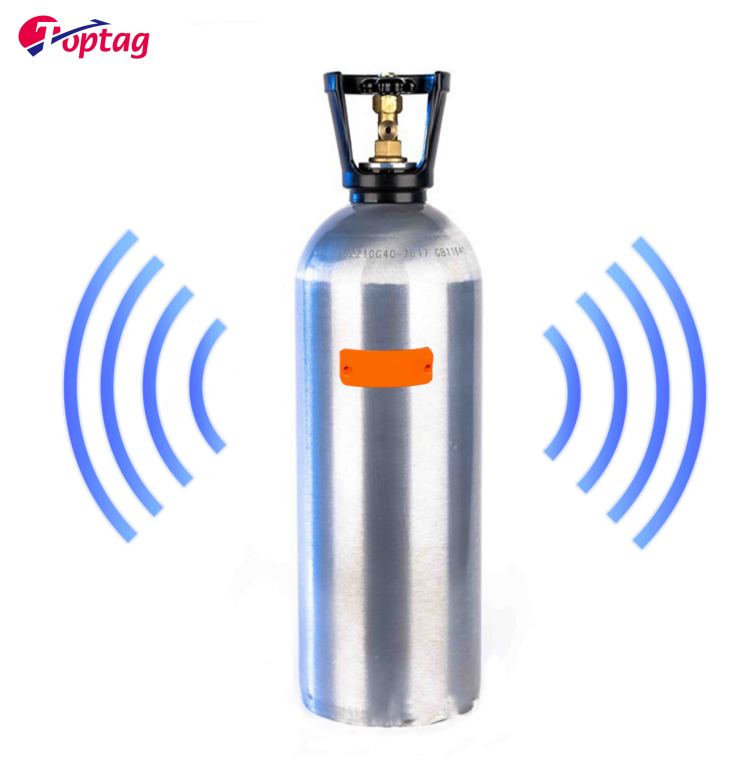
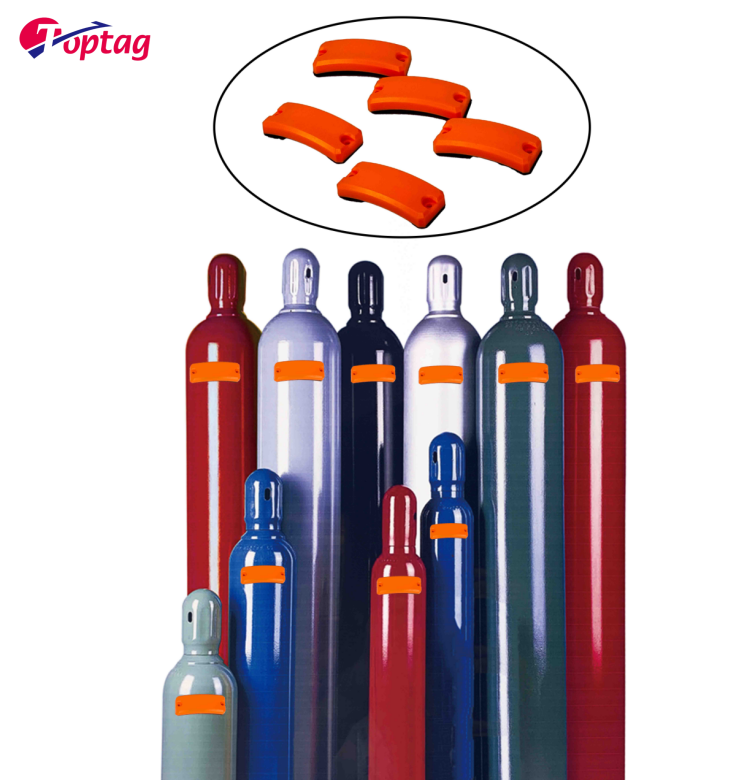
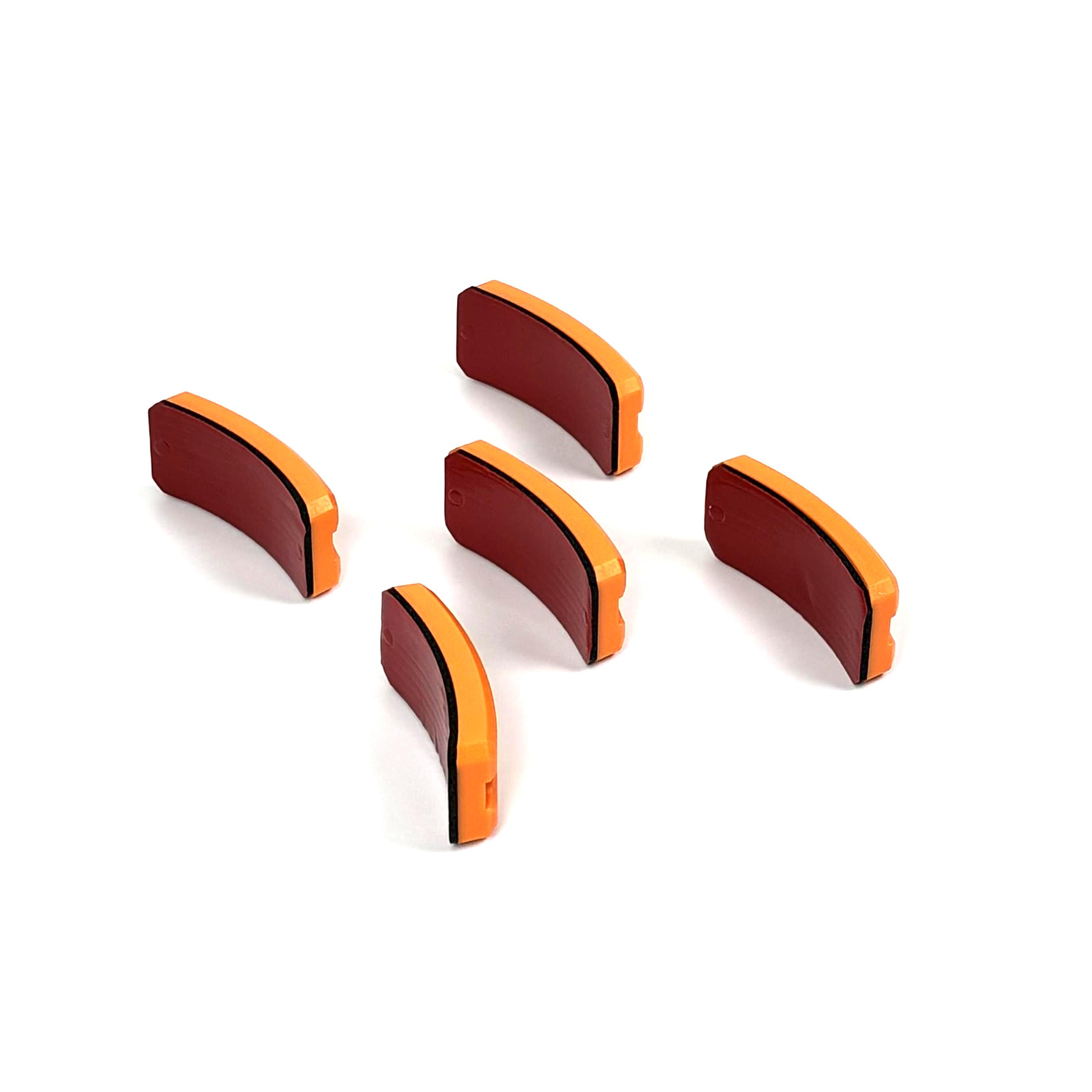
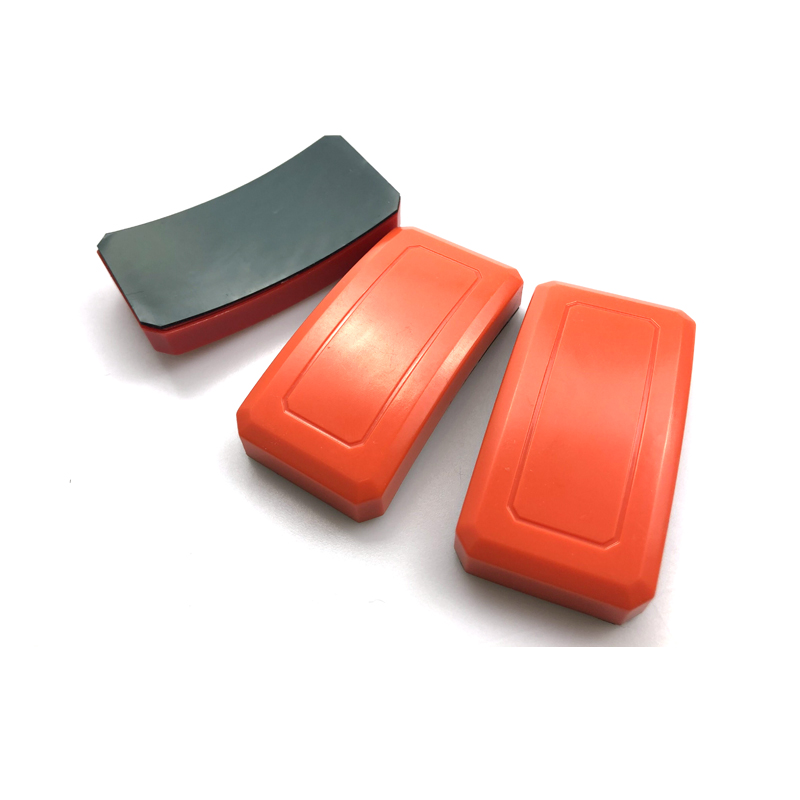
RFID gas cylinder tag is a smart label to track and manage gas cylinders. This type of tag is typically attached to the gas cylinder and can store critical information about the cylinder, such as manufacturing date, inspection intervals, usage history, and the type of gas contained within.
2. Characteristic
● Basic Parameters | |
Name | RFID Gas Cylinder Label |
Types | Passive RFID tag |
Working Frequency | 13.56MHz, 860-960MHz |
Protocol | ISO14443A, ISO15693, ISO / IEC 18000-6C EPC Class1 Gen2 |
● Physical Parameters | |
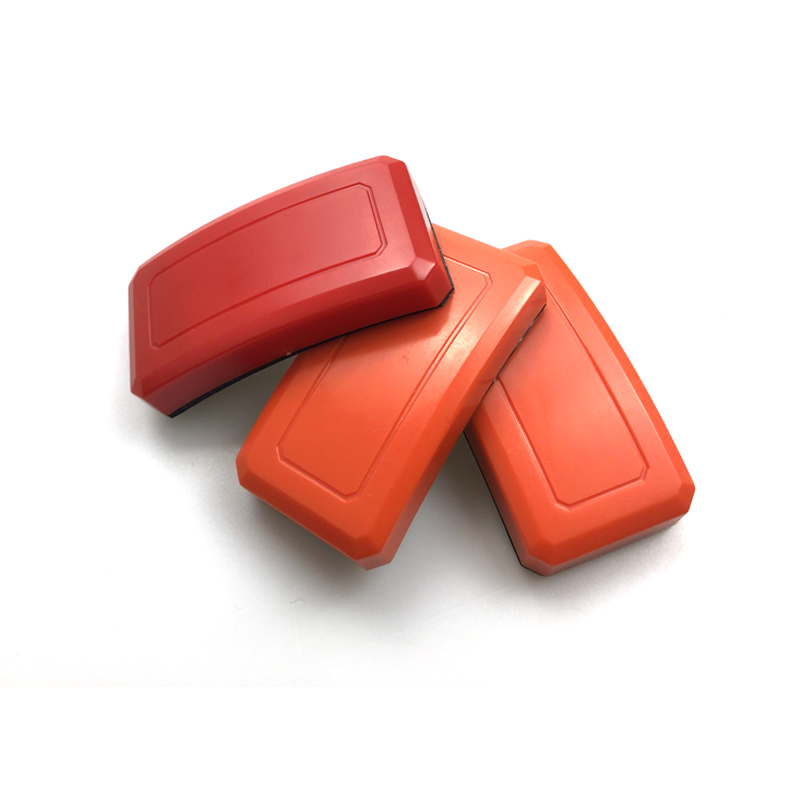
Size | 73 * 35 * 9mm or customized |
Packaging Materials | ABS+Gelatin sponge |
Antenna | Aluminum etching antenna |
Craft | 4C offset printing,Encoding |
Chip | I CODE SLIX, FM1108, impinjM4D / M4E / M4QT / M5 |
Storage | Related to the chip |
Operating mode | Read and Write |
Data Retention | > 10 years |
Write Endurance | 100,000 times |
Reading distance | 0-5cm, 0-10m (the reading range is related to the working condition and reader) |
● Environmental parameters | |
Operating temperature | (-25 ℃ ~ + 55 ℃) |
Storage temperature | (-35 ℃ ~ + 75 ℃) |
● Typical applications | |
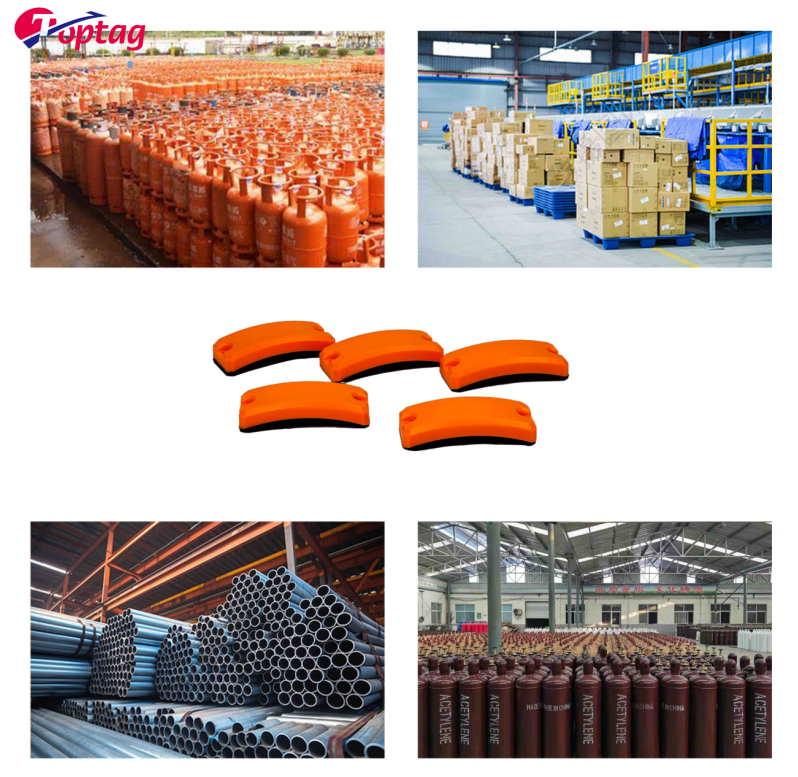
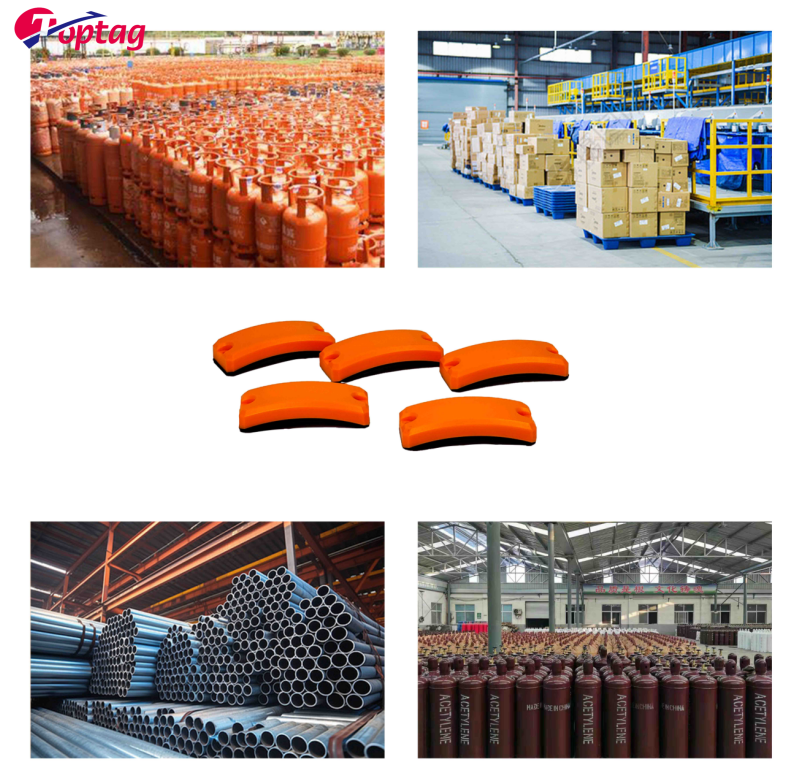
Applications | Industrial gas cylinders, Household gas cylinder storage and logistics, Inspection management |
3. Feature
Size adaptation and customization:
UHF gas cylinder RFID tags can be customized according to the size and shape of different gas cylinders. This ensures a tight fit of the label without affecting the normal use of the cylinder.
Efficient long-distance reading:
Using UHF (Ultra High Frequency) technology, the tag has excellent long-distance reading capability, allowing users to read the label information without direct contact with the cylinder. This is especially useful in large-scale warehouses and storage facilities.
Mainly used in electronic equipment, asset maintenance, gas cylinders, elevator maintenance, auto parts, high pressure boilers, high pressure vessels, high pressure pipes, lifting machinery, recreational facilities and other metal goods and special equipment management.