

1. Introduction
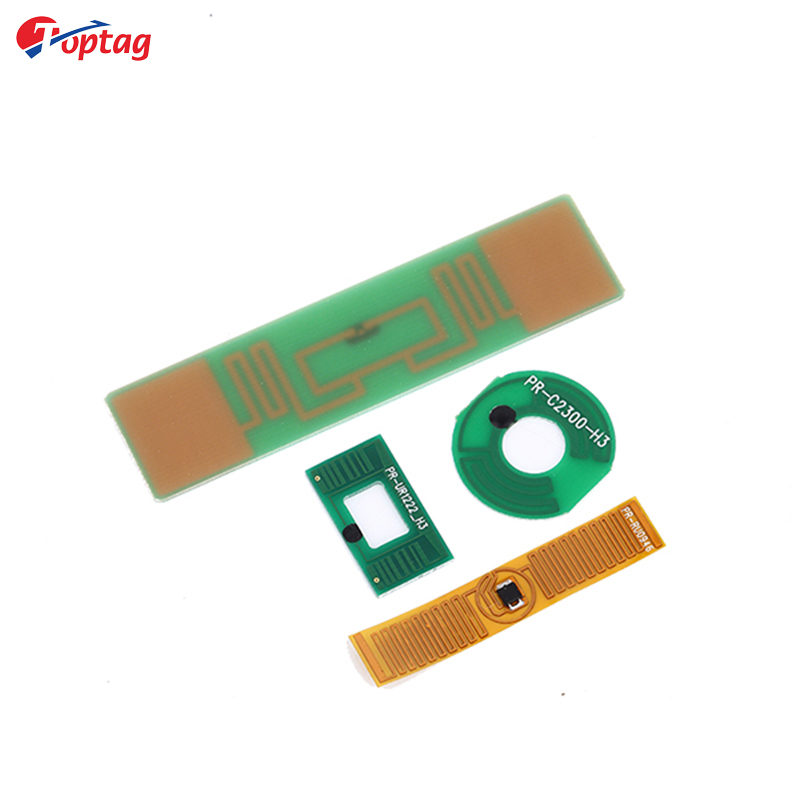
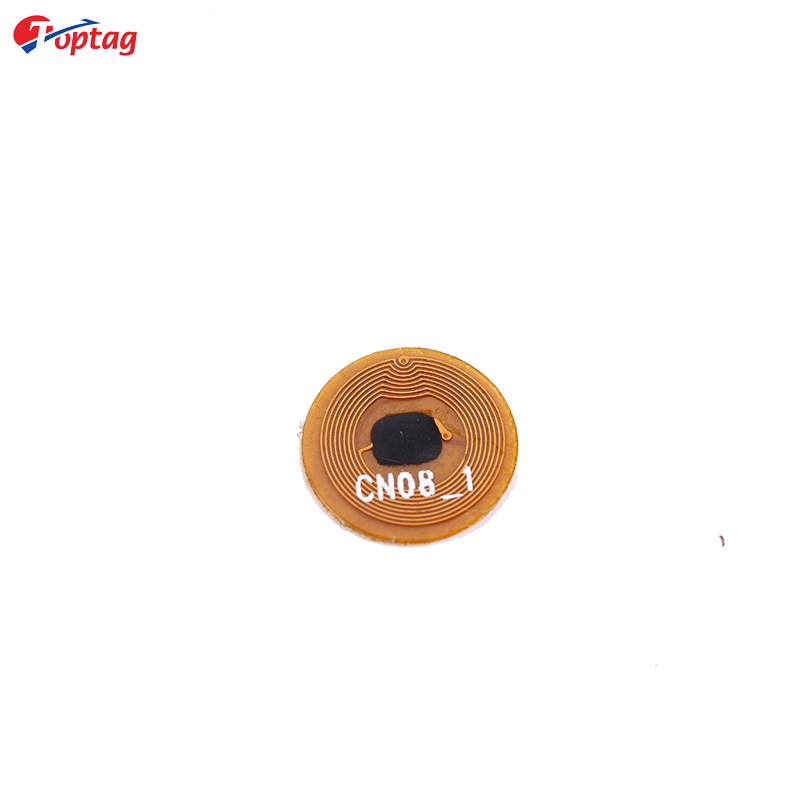
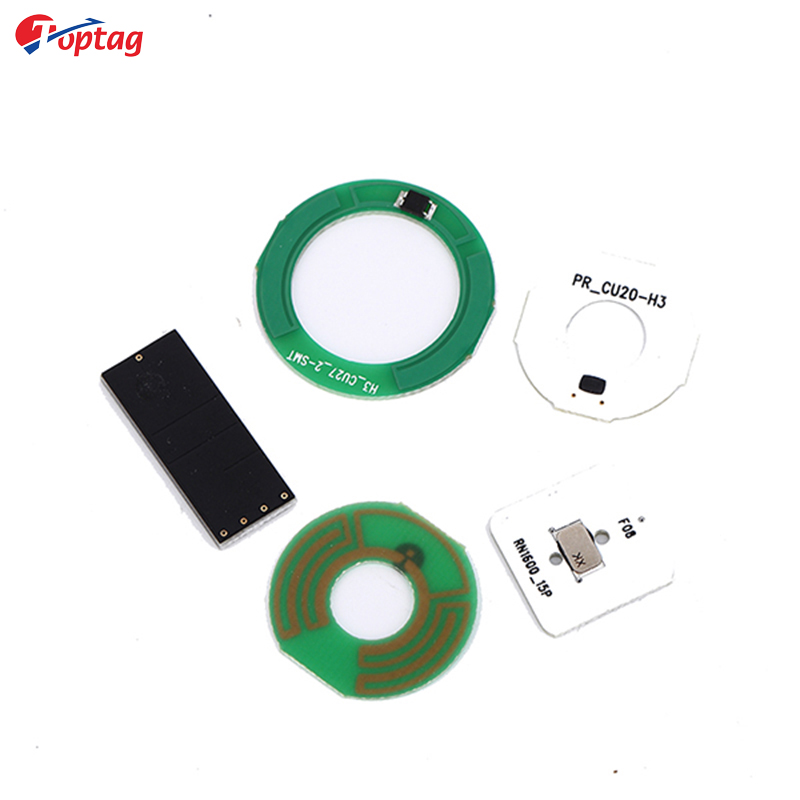
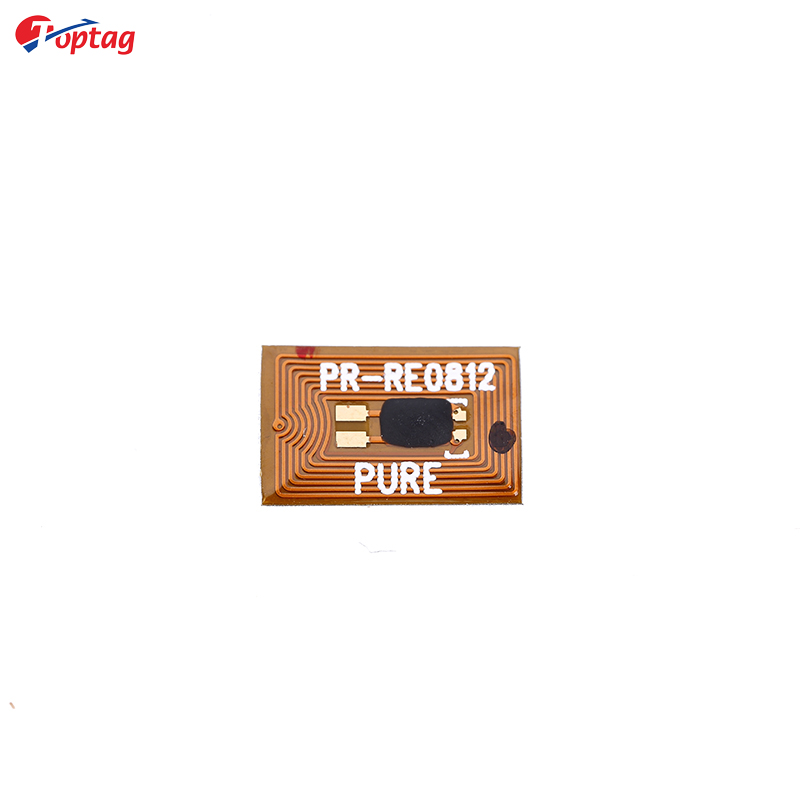
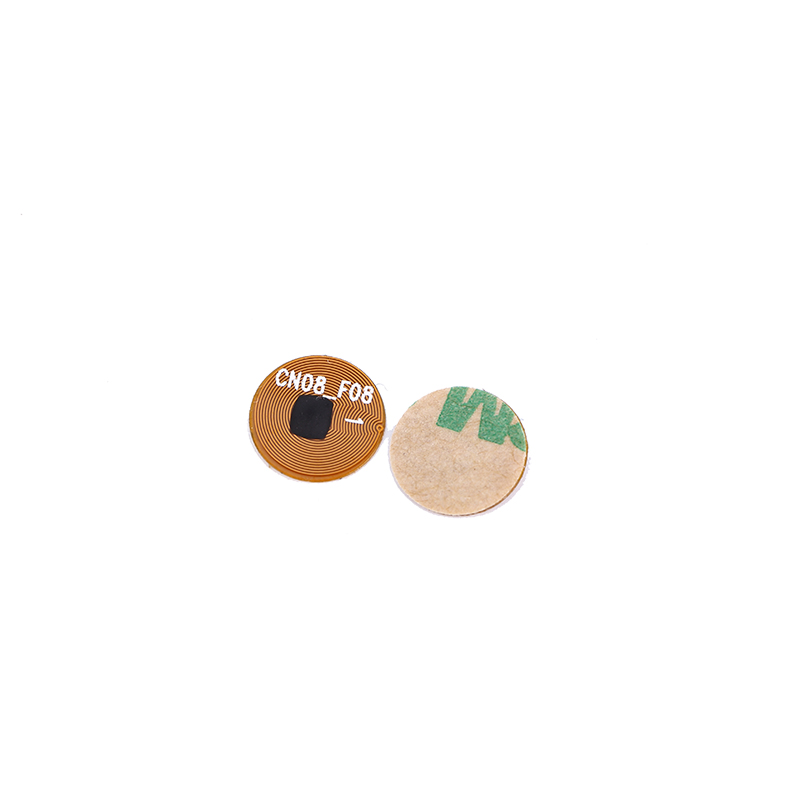
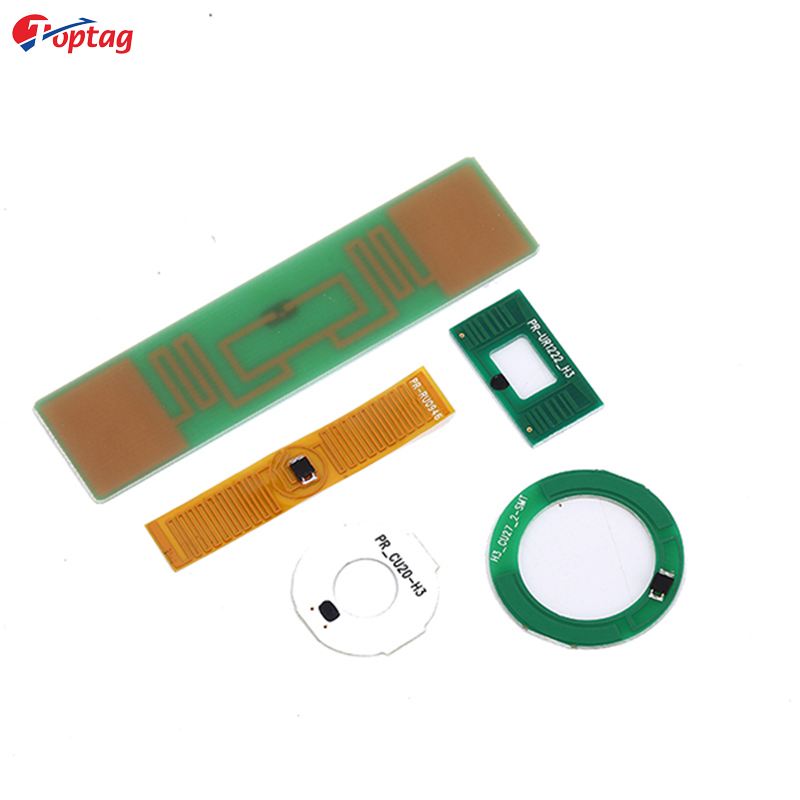
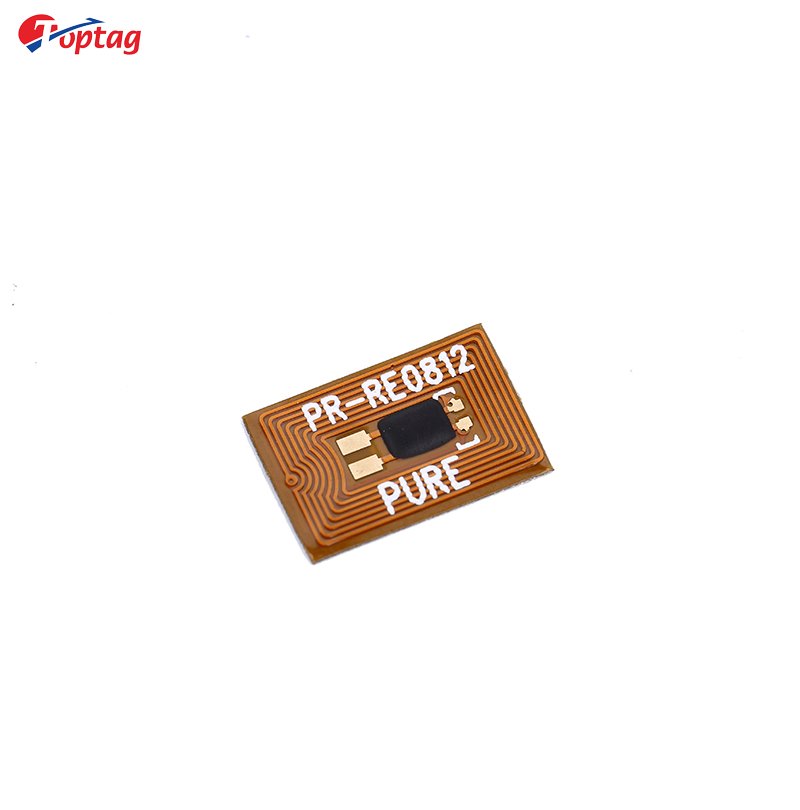
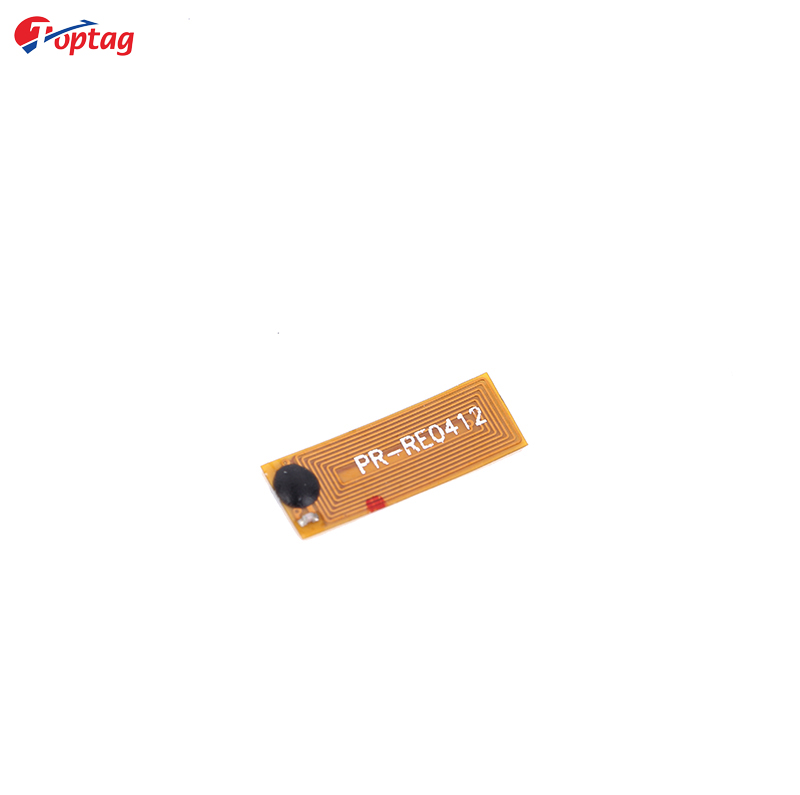
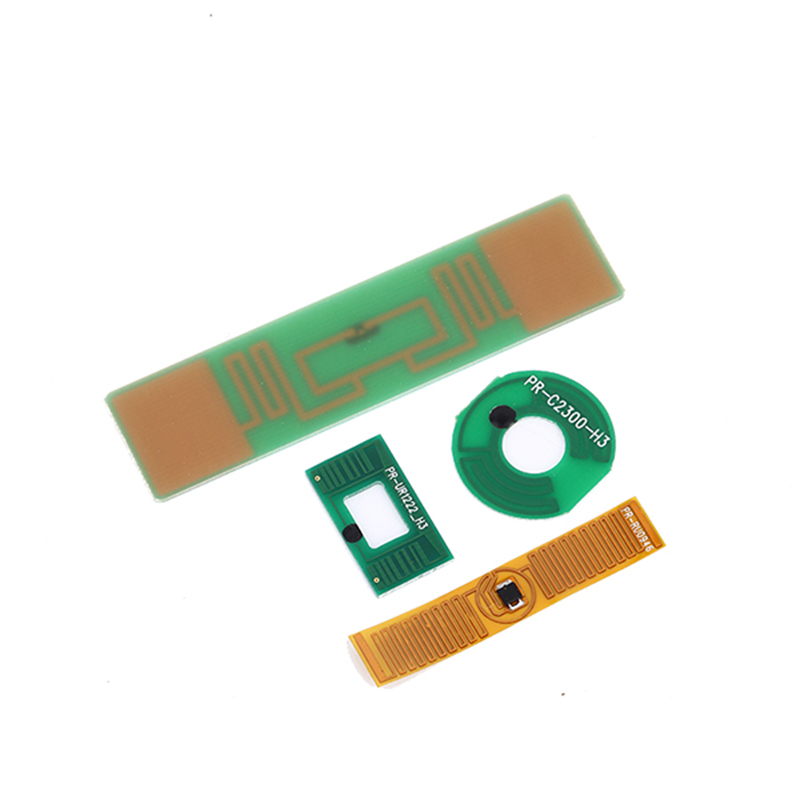
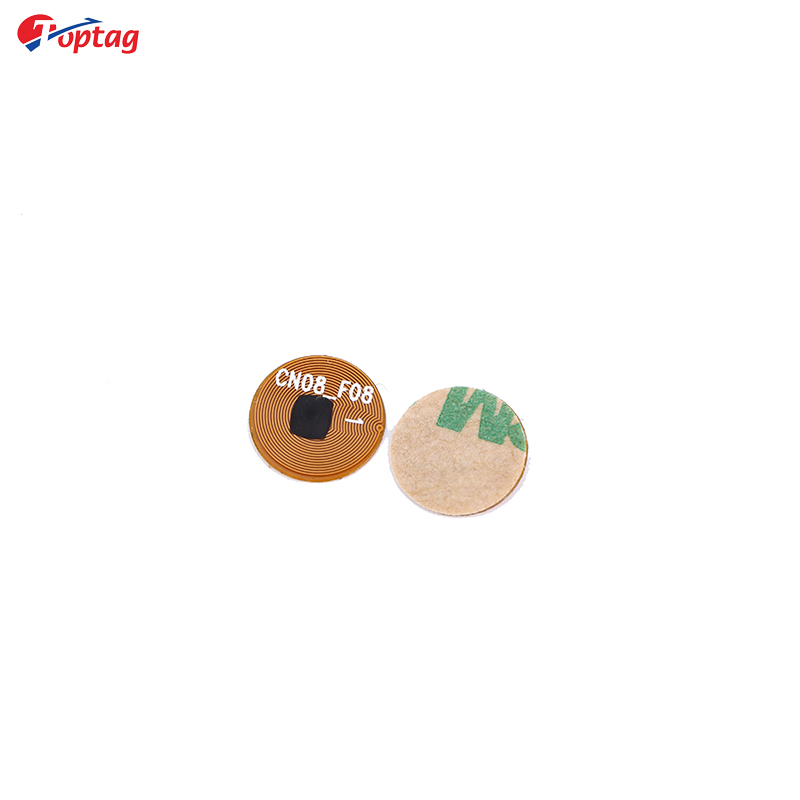
RFID Flexible Printed Circuit Tags(FPC Tag) utilize a flexible substrate, combined with precision-etched conductive circuits and chip packaging technology, giving the tags excellent flexibility and thinness.
FPC tags support rapid batch reading and long-distance identification, and are widely used in logistics tracking, asset management, anti-counterfeiting and traceability. Their waterproof, shockproof, and bend-resistant design significantly improves stability in harsh environments. Furthermore, sizes, frequencies, and functional modules can be customized to provide efficient and flexible intelligent identification solutions.
2. Characteristics of FPC Tags
Name: RFID Flexible Printed Circuit Tag (FPC Tag)
Substrate: Utilizes flexible materials such as polyimide (PI) or PET, with a thickness as low as 0.1mm, supporting bending and folding.
Antenna Technology: Antennas are fabricated using aluminum or copper etching technology, balancing conductivity and flexibility, suitable for application to curved surfaces.
Chip Packaging: High-frequency (13.56MHz) or ultra-high-frequency (860-960MHz) chips,
Protocol: Compliant with ISO 14443A, ISO 15693, or ISO 18000-6C protocols.
Storage Capacity: Typical value is 7104 bits (e.g., NTAG 213 chip), supporting expanded data storage (e.g., product traceability information).
Reading Distance: 2-10cm for high-frequency tags, up to 3-10 meters for ultra-high-frequency versions (depending on antenna design).
Durability: High temperature resistance (-20℃~50℃), chemical corrosion resistance, and a write/erase cycle life of up to 100,000 times.
Features: Waterproof, High temperature resistant( up to 220°c), High pressure resistant
Application: Electronic products' identification and tracking; Secondary processing of RFID technology
3. Core Application Scenarios
(1) Anti-counterfeiting and Traceability
●Product Anti-counterfeiting: Fragile design or anti-transfer adhesive sealing ensures the label becomes invalid once torn, preventing counterfeiting (e.g., luxury goods, pharmaceutical packaging).
•Supply Chain Management: Records production batches, logistics routes, etc., supporting full lifecycle traceability.
(2) Retail and Logistics
●Clothing Hang Tags: Ultra-small (e.g., 5x5mm) tags are embedded in clothing for rapid inventory counting and self-checkout.
●Unmanned Convenience Stores: Supports batch reading of product tags, improving checkout efficiency (e.g., Amazon Go technology).
(3) Industry and Healthcare
●Tool Management: Metal-resistant models can be adhered to metal equipment surfaces, resistant to high temperatures and oily environments.
●Medical Consumables: Ultra-thin tags are used for tracking disposable medical devices, meeting sterile environment requirements.
(4) Smart Payment and Identity Recognition
•NFC Payment: Integrated with mobile phone patches or wristbands, supporting con-tactless payment and access control.
•Electronic Tickets: Can be printed with QR codes and logos, combining visual recognition and RFID functions.