Ear tag from Toptag Supports the Mordern Farming
Created on 2025.11.25
Toptag can provide the exact kinds of RFID animal ear tags and related kinds of readers to supporting the smart transformation of livestock farming.
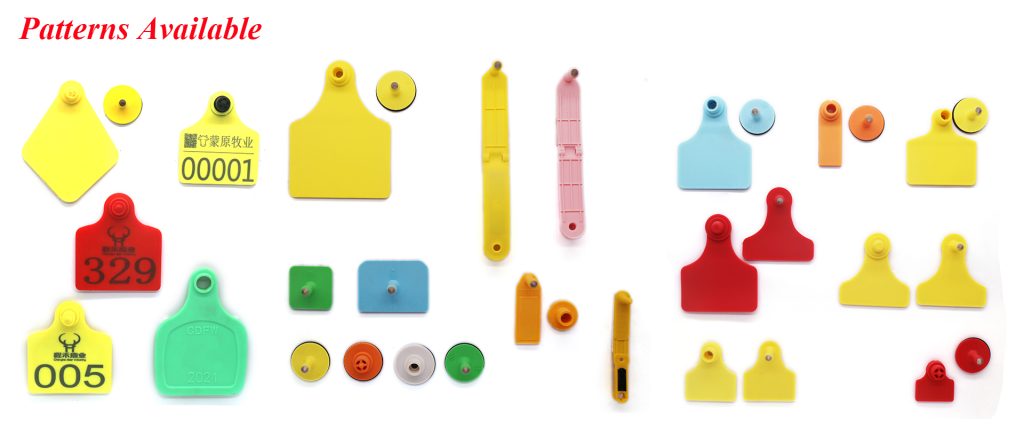
“In the past, pig farming was conducted on a relatively small scale, with overall statistical management. Insufficient attention was paid to individual pig identification, rearing and growth, immunization data, body temperature, and estrus alerts, leading to incomplete and untimely business data entry into information systems. Business reports were delayed, failing to reflect issues promptly and hindering business improvement. As a result, RFID smart farming solutions are gaining increasing attention.
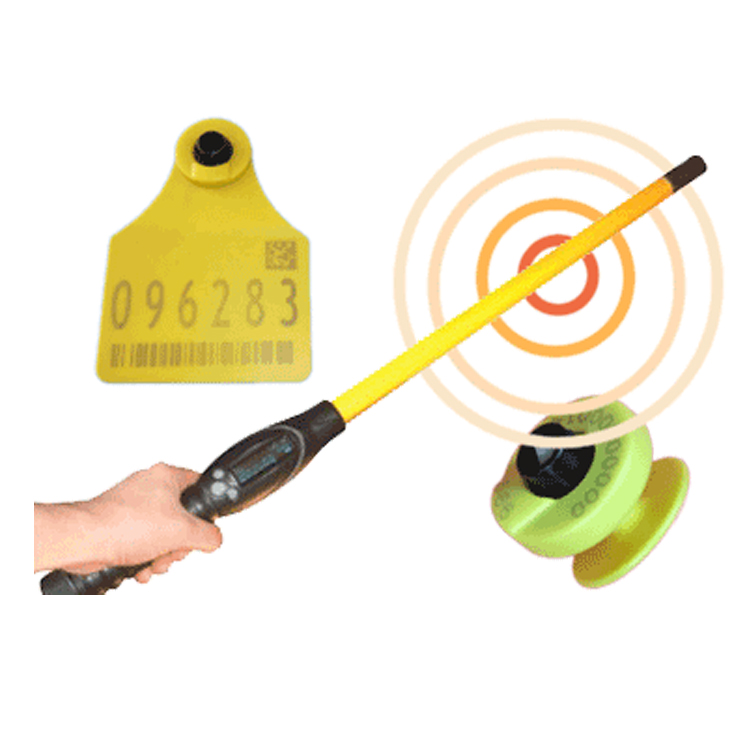
Smart farming solutions utilize a combination of various types of card readers and pig RFID electronic ear tags to achieve individual pig management. They can read pig ear tag numbers in one second, quickly associating pig profiles, pen locations, and business information. Data is automatically recorded and uploaded, eliminating the need for manual entry. Business reports are generated automatically, improving management efficiency. Comprehensive, timely, and effective data drives business transformation.
- Before pigs enter the pen, their basic information, such as identification number, livestock type, date and place of birth, is entered into the electronic tag. Subsequently, a biological glass tube is injected subcutaneously or an ear tag is attached, establishing a definite association between the electronic tag and the pig. Once the profile is successfully created, the pig is allowed to enter the pen.
- During daily rearing management, individual identification is performed using a handheld RFID reader, and rearing data is recorded. This includes daily management information (pen location, feeding time, physical characteristics, body length and weight values, etc.), immunization information (whether immunized, vaccine type, vaccination me 1 thod, dosage, vaccinator, etc.), reproductive history information (breeding time, quantity, etc.), and medical history information (disease name, time, symptoms, recovery status, etc.). Rearing personnel update the pig profile database in real time through the background management system.
- Individual identification is automatically performed using a fixed dedicated RFID reader for automatic sorting and penning, automatic feeding, activity pattern recording, etc., with real-time updates to the pig profile database via the network.
- Other management departments or personnel can query pig profiles, pedigree and performance records of breeding pigs, and reports on the disposal of dead pigs, etc., through the background management system.
- Based on the above data, the background management system can automatically generate analytical reports on the number and production capacity of breeding pigs, record reports on key tasks such as immunization, statistical reports on pig rearing methods, meat production quantity and grade, and tracking reports on the disposal of dead pigs, etc.”
WhatsApp
电话
微信